

Pennies & Large Cents
Large Cents are universally loved by coin collectors in America. An important issue is the 1793 Large Cent. It was one of the first coins struck by the U.S. Mint and comes in three types: the "Chain" Cent, the "Wreath" Cent and the "Liberty Cap" design. Large Cents were minted between 1793 and 1857.Small Cents
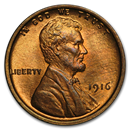
APMEX carries a wide selection of rare pennies, including several variations of Small Cents, which include Flying Eagles minted between 1856 and 1858. The demise of the Flying Eagle gave rise to the Indian Head, minted from 1859 and 1909.Rare Wheat Pennies are an iconic 20th-century one-cent piece minted between 1909 and 1958. Wheat pennies are also commonly known as Lincoln pennies due to the bust of Abraham Lincoln on the obverse. Wheat Pennies are great coins for novice numismatists to start growing their collection or for experienced collectors to diversify their portfolio.
Flying Eagle Pennies
APMEX offers a superb selection of Flying Eagle pennies. Released in 1857, Flying Eagle pennies were created to replace the unpopular large-sized Copper pennies. Called “nicks” because they now contained nickel instead of just Copper, Flying Eagle pennies have proved extremely popular over the decades, especially since it is such a short series. The 1856 Flying Eagle cent is technically a pattern coin, but due to its popularity and large mintage (for a pattern), it has been widely collected. It has also been widely counterfeited. The original mintage of this date was estimated to be 1,000 coins but has been updated to approximately 1,500 to 2,500 coins. The 1858 has both large and small letter designs.Indian Head Pennies
The second of the U.S. “small cents,” James B. Longacre's Indian Head pennies are one of the most popular U.S. coins ever struck. The obverse features Liberty wearing a feathered headdress, while the reverse depicts a wreath encircling the words “one cent.” Minted between 1859 and 1909, these popular pennies came in various metals. In 1859, a copper-nickel cent with a laurel wreath reverse was first minted. It was followed by a copper-nickel oak wreath cent that was minted between 1860 and 1864. During 1864, both copper-nickel and bronze pennies were minted. Finally, bronze pennies were minted between 1864 and the end of this series in 1909.Rare Wheat Pennies
The Wheat Cent series picked up the one-cent denomination in 1909 and ran nearly fifty years, to 1958. Its alloy changed during World War II, when copper was needed for shell casings and other munitions. In 1942, the Mint removed all but a trace of tin from the alloy, which changed the metal from bronze to brass. The Mint still had bronze coining strip on hand, so the Lincoln Cents of 1942 exist in both alloys.In 1943, the cent was struck in zinc-coated steel for a single year. From 1944 to 1946, the Mint used brass made partly from recycled ammunition casings, and the original bronze alloy did not return until 1947.
While Wheat Pennies remain a favorite for collectors, those interested in early American coinage might consider the historical significance of half cent coins, the smallest denomination coined by the U.S. Mint.
Those that enjoy collecting American cents may also like collecting nickels. The series still in circulation, the Jefferson Nickel, has been produced in high mintages over the years as it was intended for use by the general public as currency. This has allowed prices for many common dates, such as the 1964 Jefferson Nickels (Denver) to stay exceptionally affordable. You can expect to pay only a bit more than the coin's 5 cent value for many of the common dates, making this easy to get started with.

210,000+ Customer Reviews
4.9 Overall Satisfaction Rating, the Highest Score in the Industry
Check out what other customers are saying.